

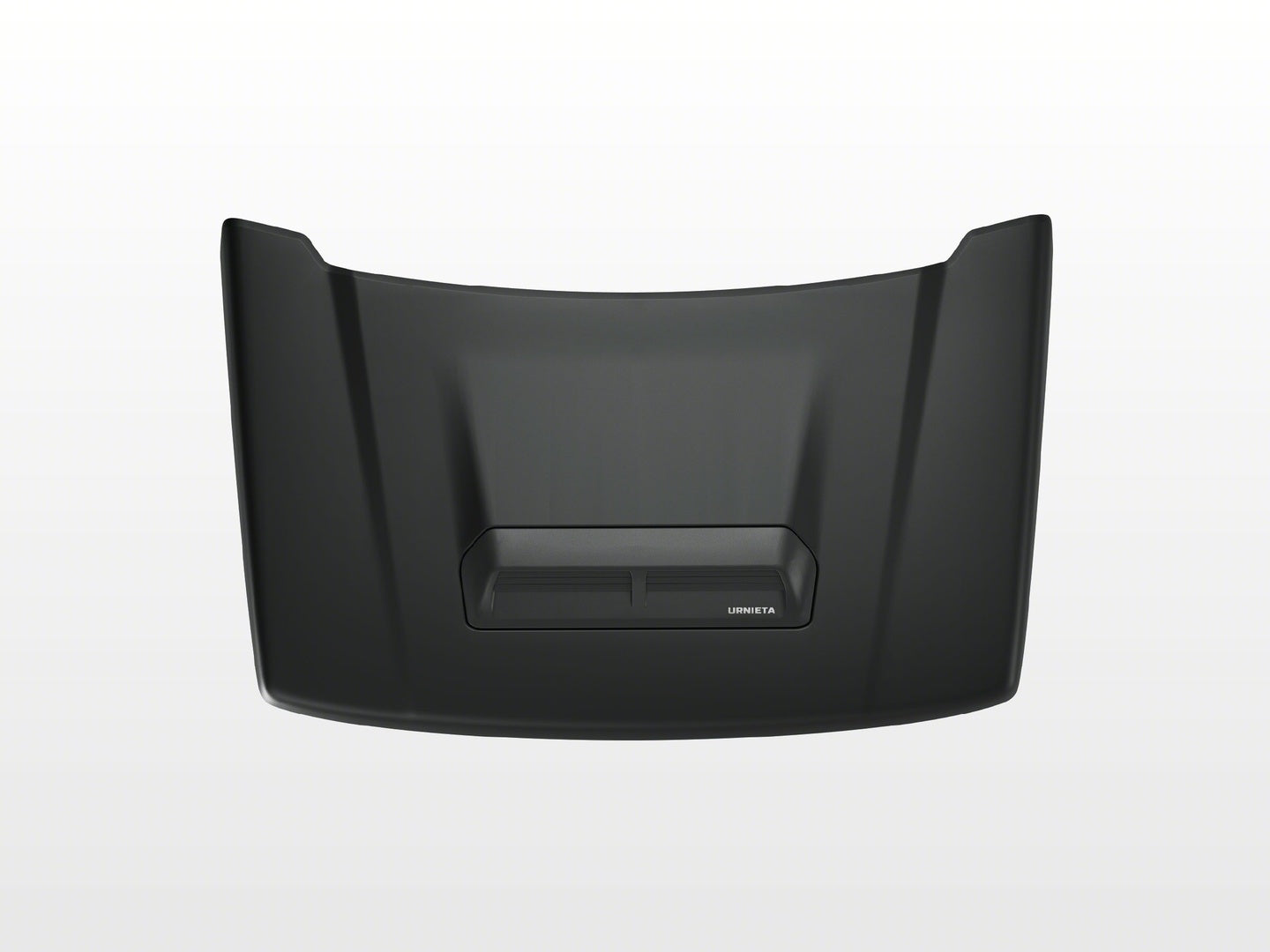
Hood Kit
Bonnet accessory for the Suzuki Jimny
Single-piece aluminium bonnet for Jimny JB74 / JC74: 65% lighter than the OEM steel panel, with functional venting and direct factory fitment to the original hinges, latch, and prop.
Item code: URN-SAL-HD-JIM
In high demand. We're working through a backlog of orders on this range, so this item may dispatch one to two weeks later than usual.
12-Month Australian Warranty.Backed by PVS Automotive, Sydney based support. Tax Deductible for Business. GST claimable if you are registered.Often fully deductible as a business expense. Check with your accountant. Australian Owned and Operated.Australian Owned Certified · AO 08314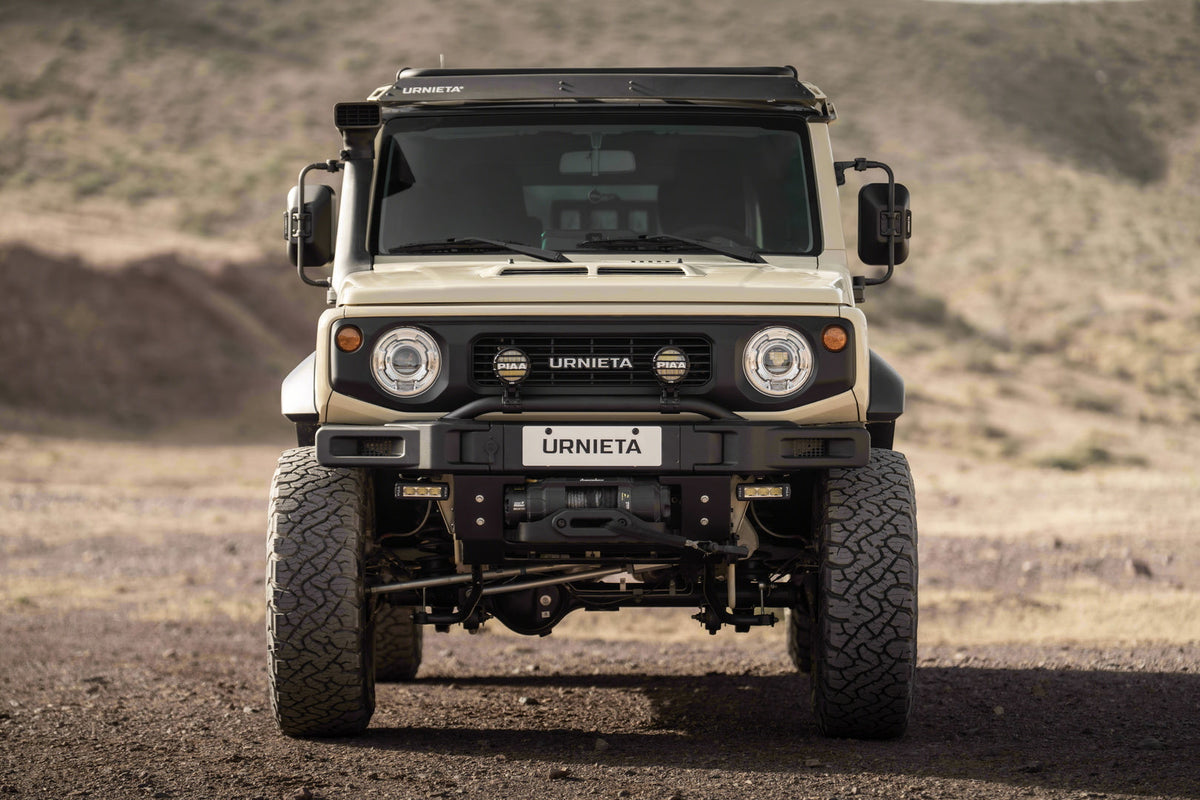
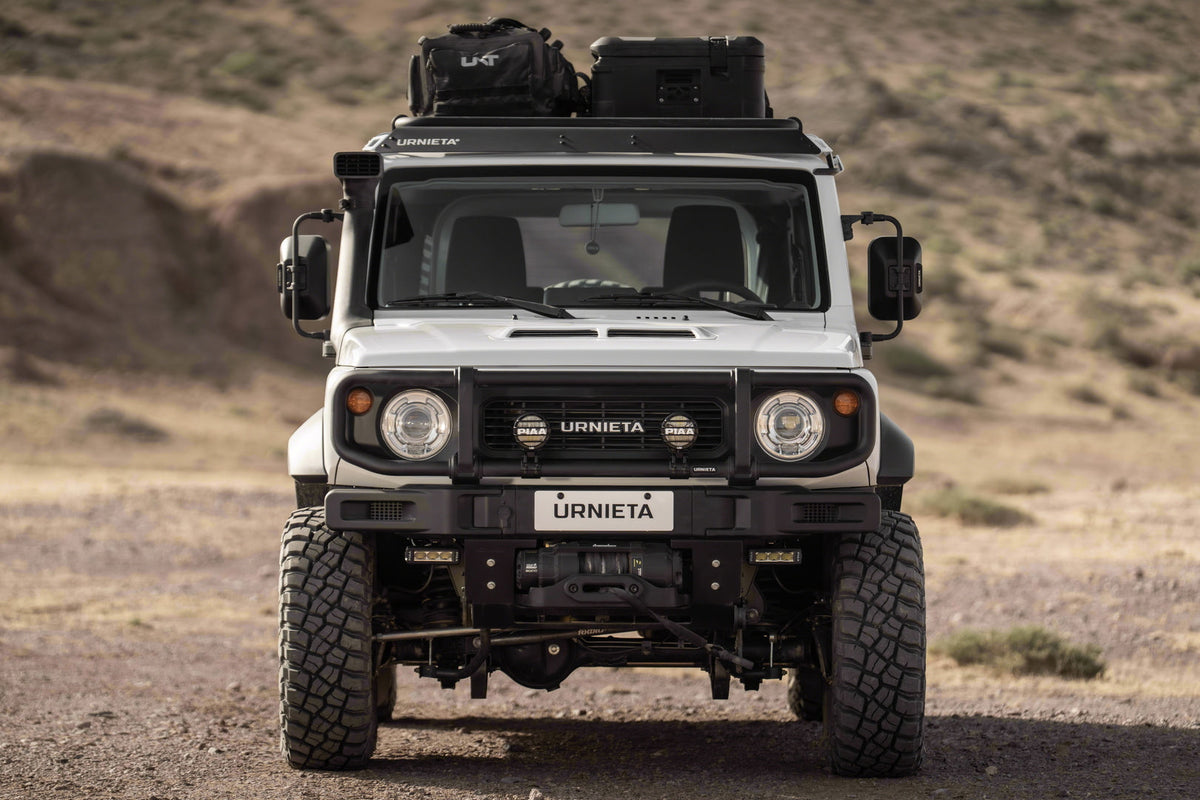
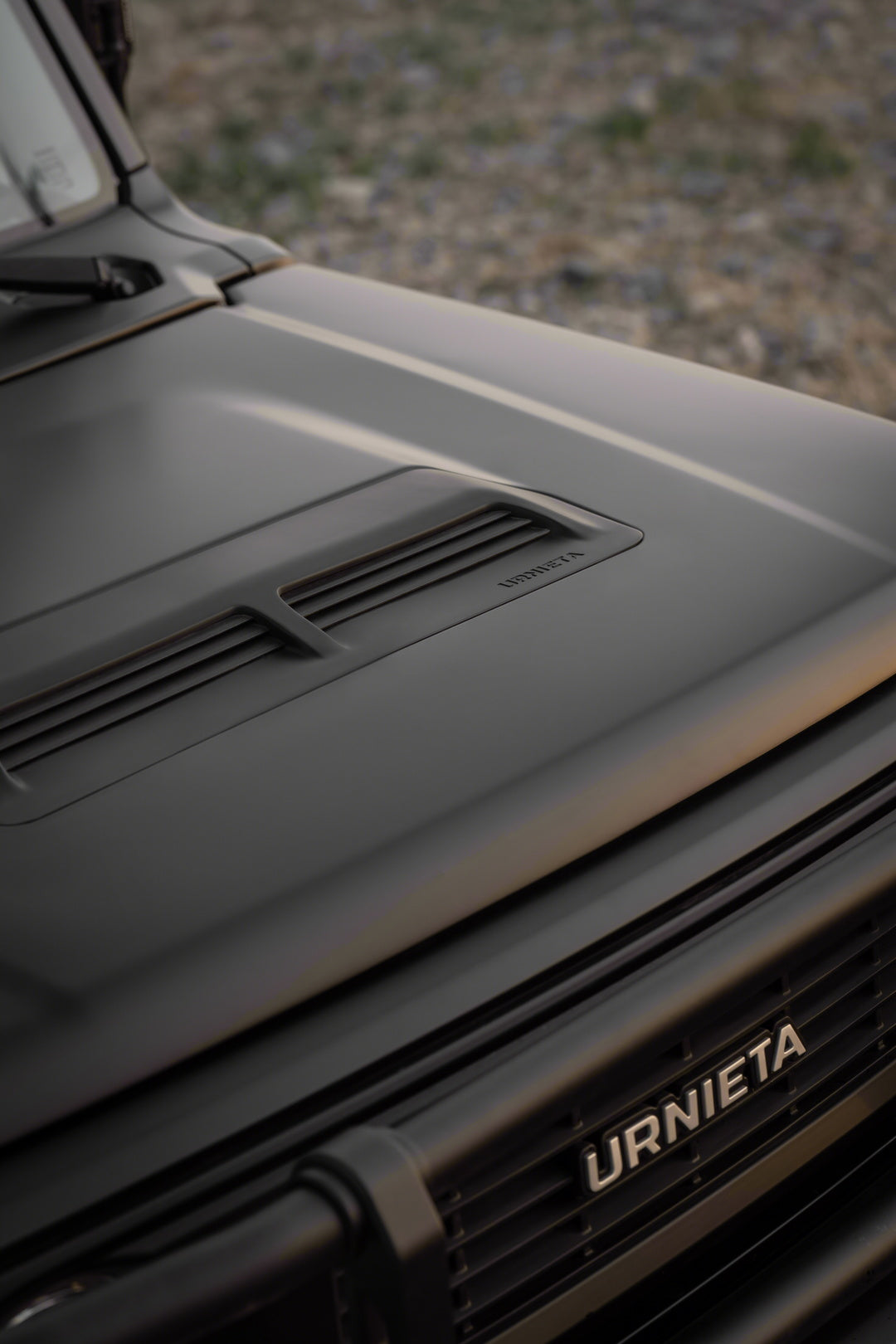
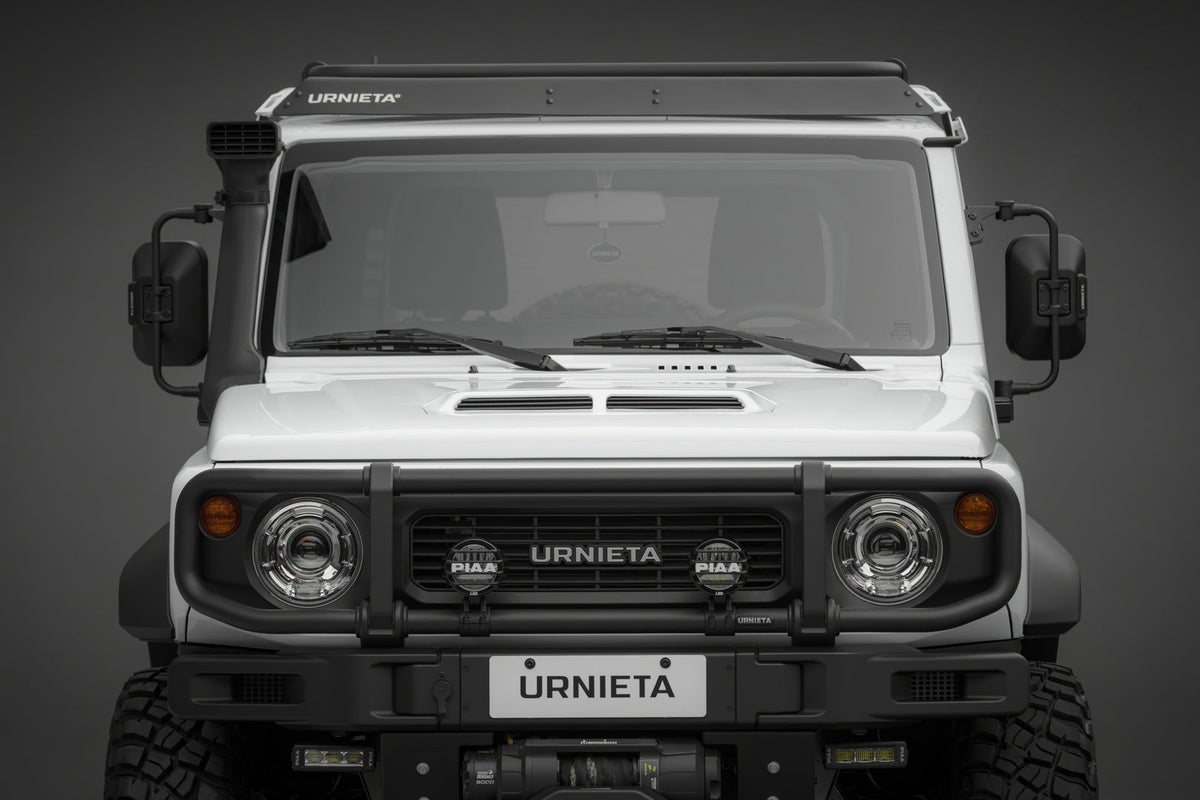
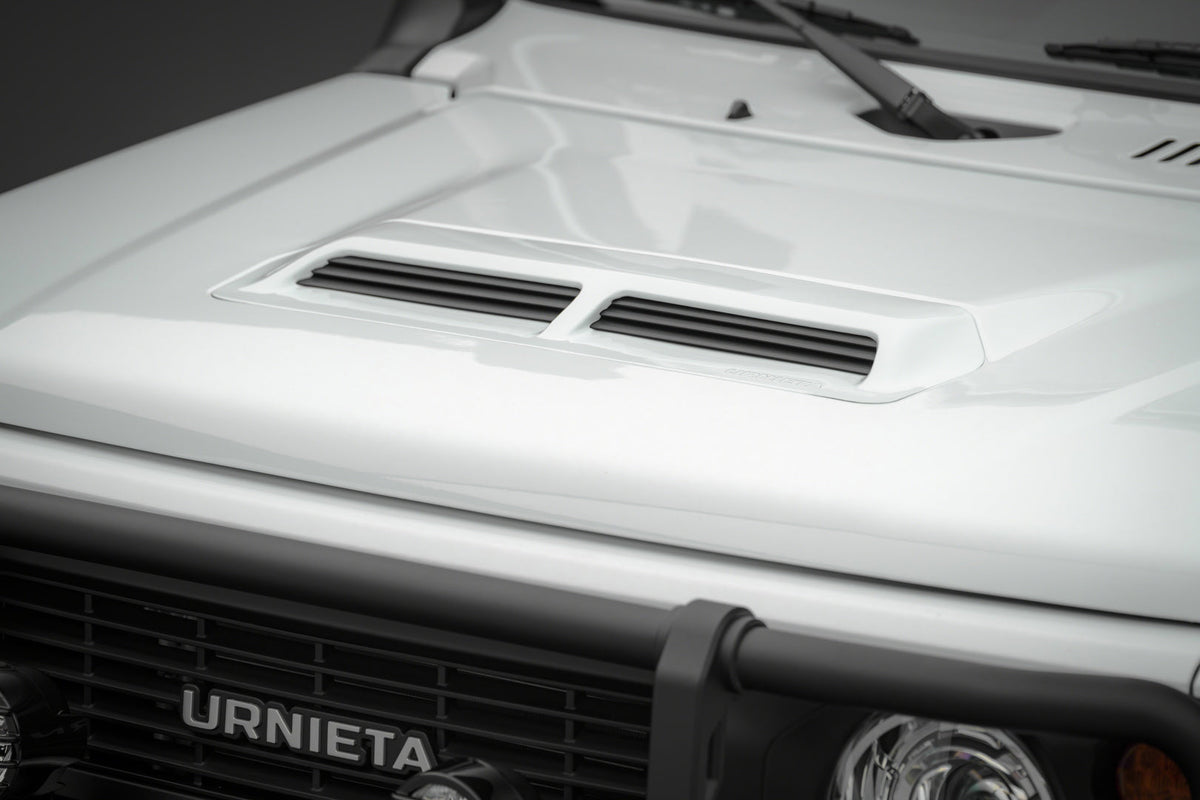
Purpose-built bonnet styling for the Jimny.
The Suzuki Jimny has a strong following among off-road enthusiasts, and the right bonnet kit is one of the most visible ways to set yours apart. Urnieta's Hood Kit complements the Jimny's boxy, rugged lines without looking out of place on the track or off it.
This kit gives you a clean, factory-compatible starting point. It bolts on without drama, on a dedicated weekend wheeler or your daily Jimny.
What's in the kit worth knowing.
JIMNY-SPECIFIC FIT
Designed specifically for the Suzuki Jimny, so you're not adapting a universal part to suit your vehicle.
URNIETA QUALITY
Supplied by Urnieta, a brand focused on vehicle styling accessories with consistent fitment standards.
CLEAN FINISH
Adds a purposeful, aggressive look to the bonnet line without requiring major modification to the existing bodywork.
Spec it
your way.
Not sure which setup suits your build? Get fitment advice, install guides, or talk to the PVS team before you buy. We are Sydney based and here to help.